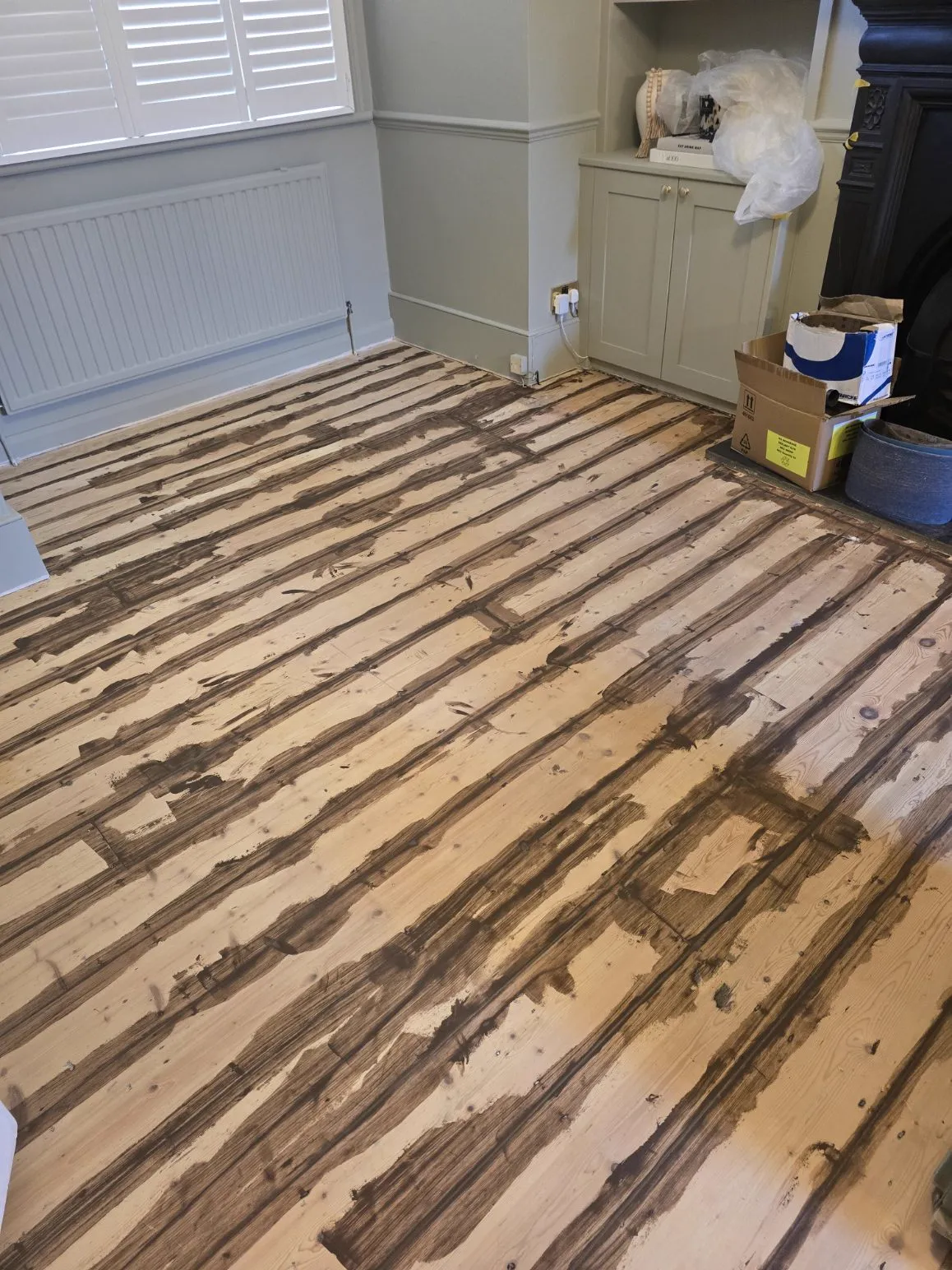
Every original pine floor has gaps. It's not a fault, it's what a hundred years of seasons does to timber. The question isn't whether your boards have gaps, it's what goes into them, and that choice decides whether your floor still looks right in two winters or whether the filler is cracking out and collecting crumbs.
The photo above is one of our jobs mid-fill: flexible filler run along every gap, ready to be smoothed and sanded. Here's why we do it that way, and why we won't fill a suspended pine floor with hard resin.
First, Understand Why Your Boards Move
Most Victorian and Edwardian homes have suspended timber floors: boards nailed across joists with air moving underneath. Timber breathes. In summer the boards take on moisture and swell; come winter, the central heating dries them out and they shrink. Every board on the floor is quietly moving, all year, every year. A well-laid pine floor is designed to do this. Whatever goes into the gaps has to live with it. It's the same movement we plan for on every floorboard sanding and restoration job we take on.
The Problem With Resin
The resin method mixes a hard-setting resin with fine sanding dust from your own floor, and it has its place: on parquet blocks glued to a concrete slab, where nothing moves, it works well and matches beautifully.
But on a suspended pine floor it's the wrong tool. Resin dries rock hard with no give at all, and when the boards around it move with the seasons, something has to lose. The filler cracks, works loose, and drops down between the joists, leaving you with the same gaps you paid to have filled, now with jagged edges of leftover resin along them. We regularly see floors where another firm's resin fill has started falling out within a couple of winters. It's one of the most common problems we're asked to put right.
Resin was never made for the joints of a suspended pine floor. It was made to fill cracks in stable timber. Once it's in a moving gap, ordinary life shakes it loose: even the hoover going over the boards is enough to start knocking sections out. And we'll be blunt about why some firms still offer it here: it's quicker. Fill, sand, sign off, and the floor looks great on the day the van leaves. It usually still looks great a month later. It's the second winter that tells the truth, and by then the firm that filled it is long gone. We're not in the business of floors that look good for ten minutes; we're in the business of floors that look good for years.
So why does the same resin behave itself on parquet, herringbone, chevron and glued-down oak planks? Because those floors are glued through the tongue and groove and bonded to the subfloor. The blocks can't separate from each other the way pine boards do between winter and summer; the whole floor moves as one piece, if it moves at all. The gaps never work open and closed, so the resin never gets levered out. Same product, completely different floor, opposite result: that's why the answer to "filler or resin?" is always "what floor is it?"
What We Use Instead
A flexible, rubber-based filler, applied with a caulking gun along every gap and smoothed off. It bonds to the edges of both boards and then does the one thing resin can't: it stretches and squeezes as the boards move. Summer swell, winter shrink, the filler goes with them and stays put. It's the same logic as the mastic joint around your bath: a joint between two things that move needs a filler that moves too.
Matched to Your Floor, Not One-Colour-Fits-All
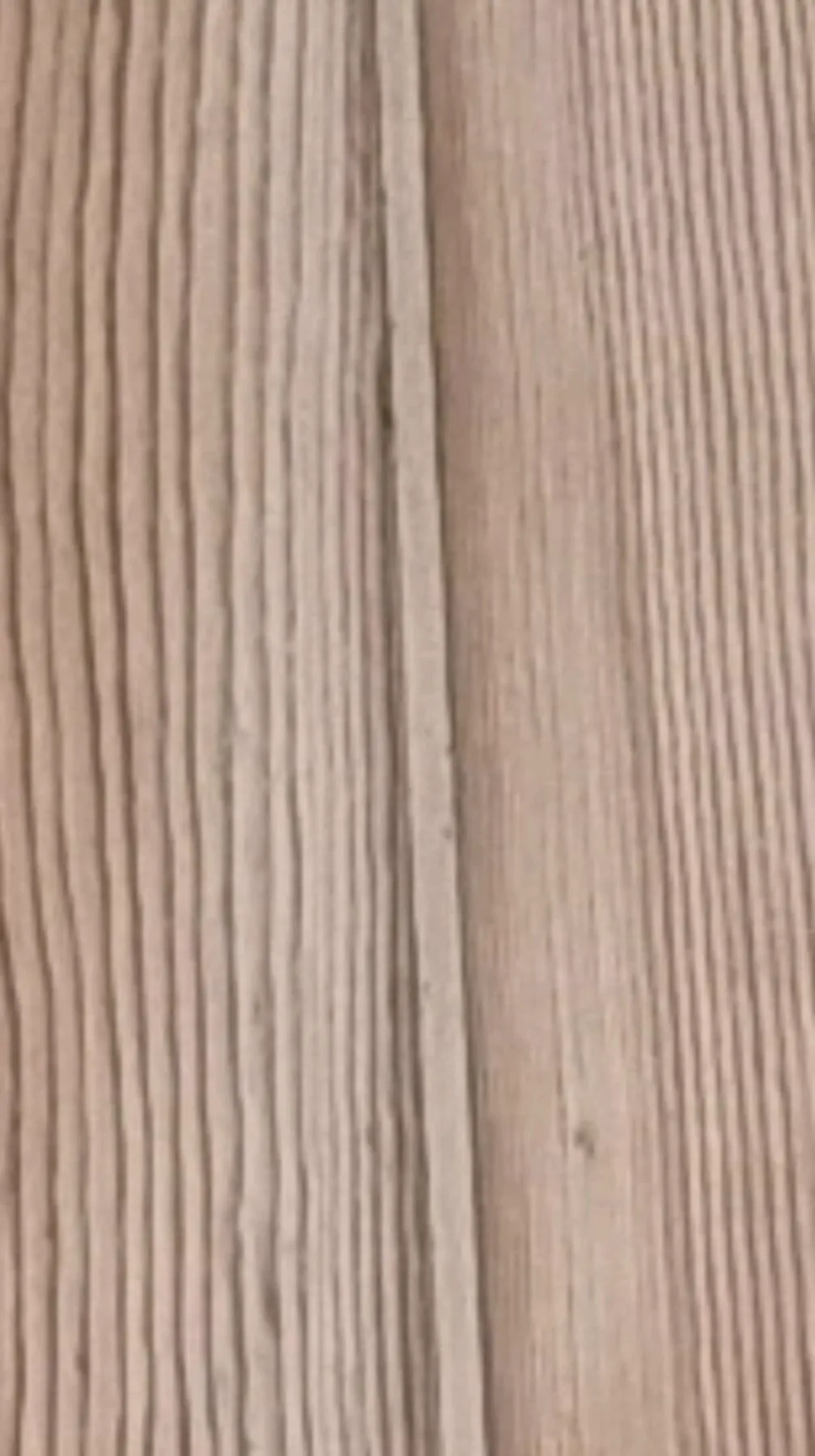
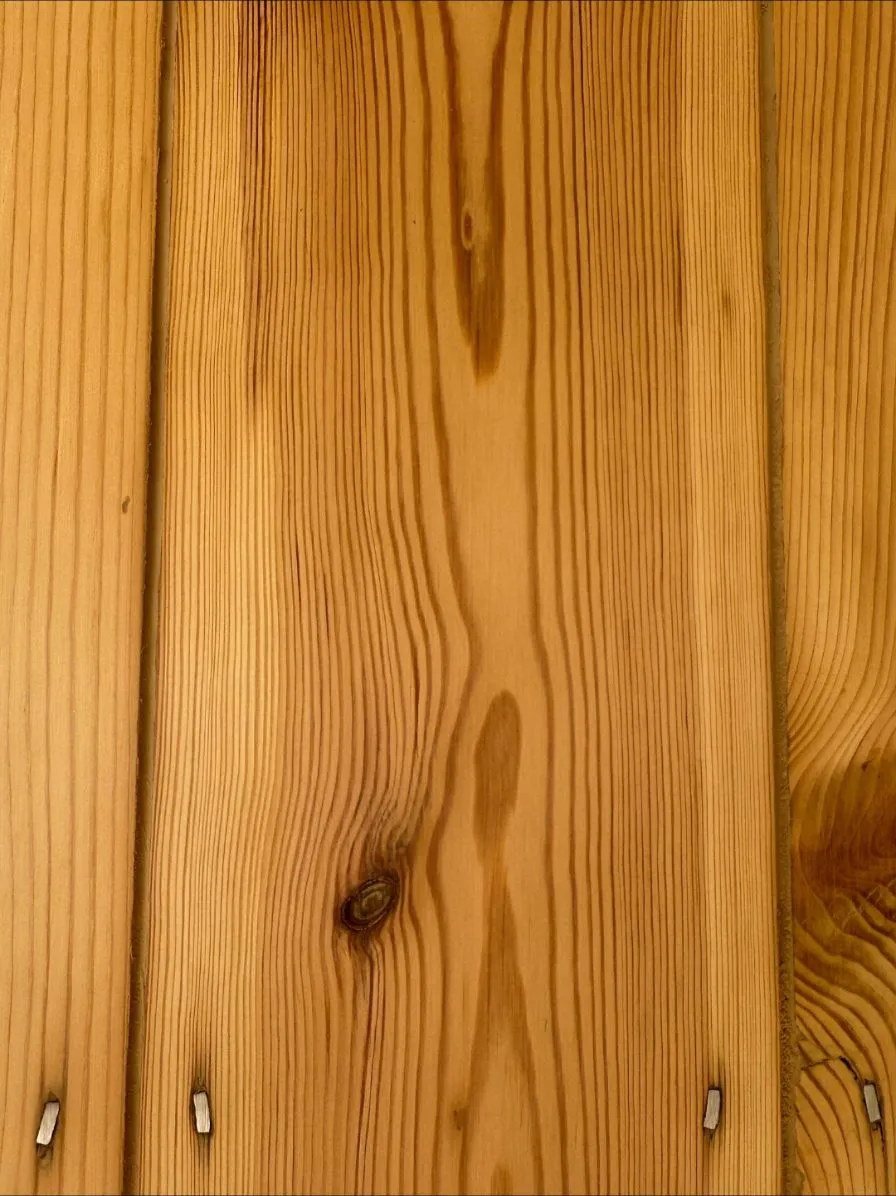
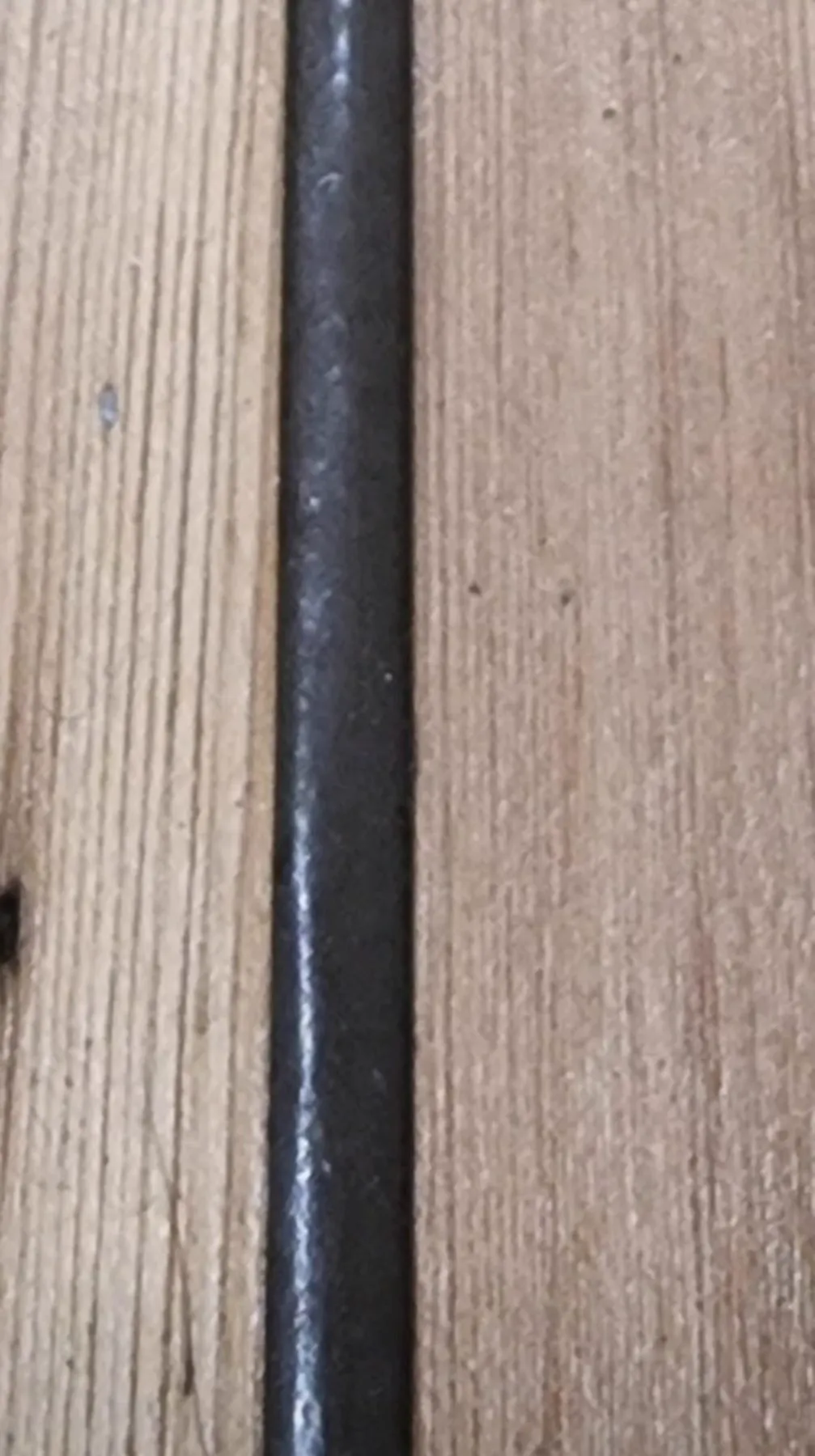
Flexible filler comes in different tones, and we pick to suit your boards and your chosen finish, whether that's natural pine, a mid-tone, or a dark stained floor:
And For the Really Big Gaps: Pine Slivers
Where a gap is too deep or too wide for filler to do an honest job, we do it the traditional way: a sliver of pine, glued and tapped into the gap, then sanded flush with the floor. It's real timber, so it moves with the boards naturally and takes the finish exactly like the rest of the floor. On most restorations we'll use both: slivers for the big gaps, flexible filler for the rest.
The Honest Bit
No gap fill is invisible and none is forever. What good gap filling does is calm the floor down visually, cut the draughts, and stay where we put it for years rather than months. When we visit, we'll tell you which gaps want slivers, which want filler, and which are honestly better left alone as part of the floor's character. What we won't do is pour a rigid fill into a floor that's guaranteed to move underneath it.
And here's the answer clients don't expect: a lot of the time on original pine floors, we recommend no filler at all. Filling is mostly cosmetic. Those lines between the boards are part of what an original pine floor IS; they're the character you're restoring, not a defect to be corrected. If the draughts don't bother you and you love the look, leave them be and spend the money elsewhere. If you do want the floor filled, it'll be flexible filler on pine, every time, for all the reasons above.
Gap Filling Questions, Answered Straight
Why does resin filler fall out of pine floorboards?
When is resin the right gap filler?
Do floorboard gaps always need filling?
If your floorboards have gaps, or someone else's filler is already on its way out, we'd be happy to take a look.
Call us: 020 3131 0122
Email: [email protected]
Or book a free site visit. You can also read the full story of how we sand and restore a pine floor, gap filling included.